Winter Park Luxury Neighborhoods And Architectural Styles
June 11, 2026
June 11, 2026
If you are drawn to Winter Park for its lakes, brick streets, and timeless homes, you are not alone. Many luxury buyers here are not just choosing square footage or a price point. You are choosing a setting, an architectural character, and a daily lifestyle that can feel very different from one pocket of the city to the next. This guide will help you compare Winter Park’s luxury neighborhoods and the home styles that shape them, so you can narrow your search with more confidence. Let’s dive in.
Winter Park’s luxury appeal is closely tied to place. The city highlights its lakes, tree canopy, bricked streets, shopping and dining, museums, and arts-and-culture identity, and it also notes a strong preservation story with more than 700 historic structures.
That mix matters when you are buying at the high end. In Winter Park, value is often about more than finishes or lot size. It can also come from lake orientation, proximity to Park Avenue, architectural pedigree, and the feel of a street that has kept its character over time.
Luxury buyers in Winter Park often compare two big experiences. One is the historic, lake-oriented estate setting. The other is a more controlled newer-community environment with formal lot standards and design rules.
Within the historic side of the market, some areas feel grand and villa-like, especially near major lakes. Others feel more intimate and residential, with smaller-scale historic homes and a quieter rhythm. That difference can shape everything from curb appeal to renovation planning.
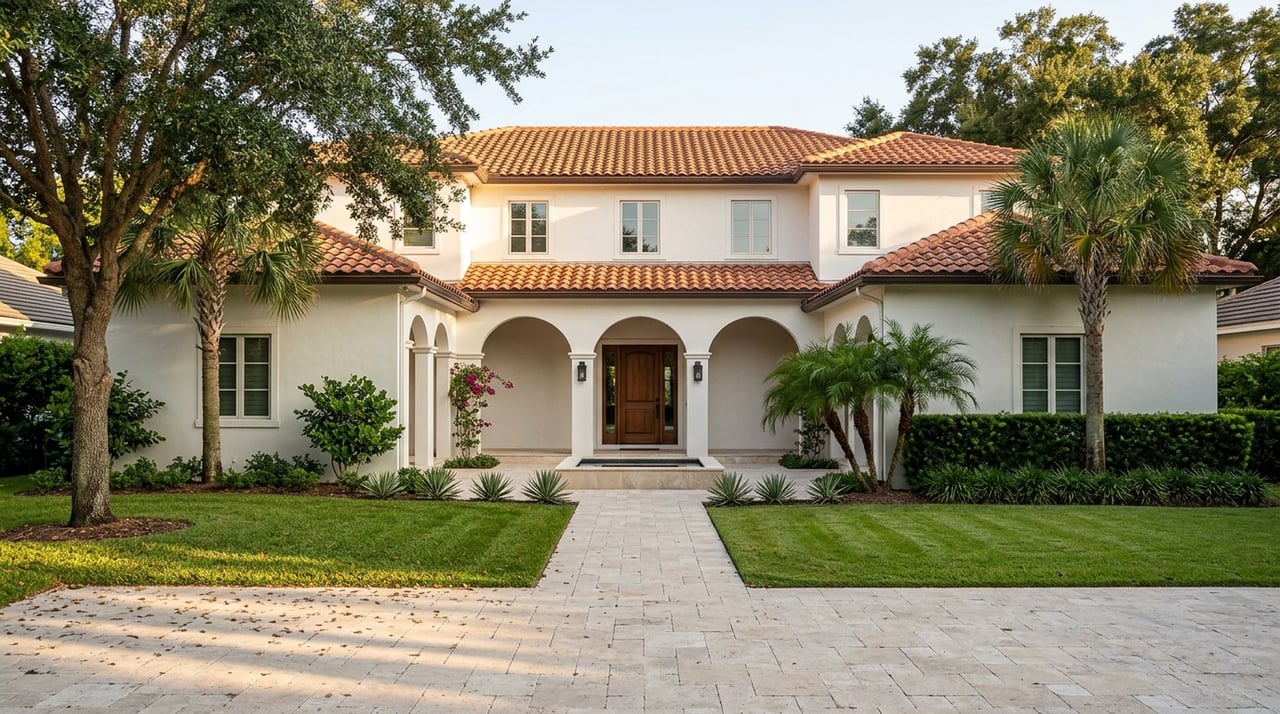
The Virginia Drive and Ellno-Willo area is one of the clearest examples of Winter Park’s estate-style luxury. The city’s historic survey identifies a notable concentration of Spanish Colonial and Mediterranean Revival mansions along Virginia Drive, especially near the Lake Virginia edge.
If you love homes with presence, this area is worth close attention. You are more likely to see architectural detail, lake-adjacent prestige, and the kind of streetscape that helps define Winter Park’s classic luxury image.
This corridor may appeal to you if you want:
Via Tuscany, Palmer Avenue, and the areas tied to Lake Osceola and Lake Maitland represent another high-style luxury pocket. The city survey points to large lakefront villas on Palmer Avenue and several estate homes along Via Tuscany, reinforcing the area’s reputation for elegant, lake-driven living.
For many buyers, this is where Winter Park’s old-world luxury becomes most visible. If your vision includes a refined waterfront setting and a home with architectural drama, these streets often rise to the top of the list.
Compared with more compact historic sections, these locations can feel more expansive and visually prominent. The draw is often the combination of water, architecture, and a strong sense of arrival.
Golfview Terrace offers a different kind of luxury character. Developed in 1921, it is described by the city survey as one of Winter Park’s smallest and most intact subdivisions, with many two-story stucco and frame houses in Colonial Revival or Mission style.
The survey also notes intact Colonial Revival collections in Golfview and north Interlachen. If you prefer historic character with a more neighborhood-centered feel instead of a villa-heavy lakefront atmosphere, this part of Winter Park may feel especially appealing.
You may find:
The area west of Rollins College, studied as College Place in the city survey, offers a more intimate historic setting. Developed in 1920, it was built out with year-round homes for businessmen and Rollins professors, and its building stock is described as almost entirely Bungalow, Mission, and Colonial Revival.
This gives the area a different personality from the grand lakefront corridors. If you value charm, walkable cultural context, and historic homes that feel approachable in scale, College Quarter may stand out.
Virginia Heights East adds even more variety to the conversation. The city designated it as a historic district in 2010 and described it as an older, architecturally diverse neighborhood first subdivided in 1922.
Its styles include Bungalow, Mediterranean Revival, Tudor Revival, Colonial Revival, and Minimal Traditional. For buyers who want historic character but do not want every block to look the same, this type of mix can be a major plus.
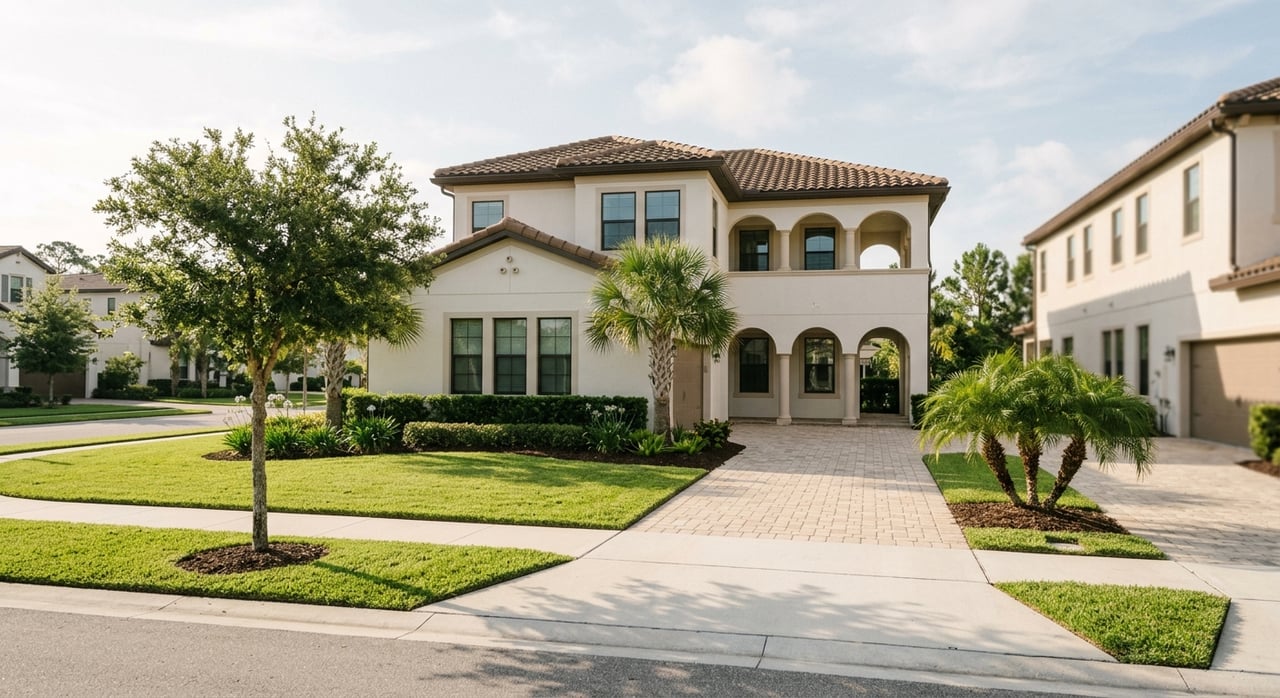
If you are looking for newer construction or a planned luxury setting, Windsong is one of the clearest examples in Winter Park. The city describes it as the newest and largest new subdivision in the city, located between Lake Mizell, Lake Virginia, and Lake Berry and tied to a conservation easement.
This community creates a different luxury experience from the older historic corridors. The city’s planning material shows varied lot types with widths from 60 to 200 feet, minimum living areas from 1,200 to 2,500 square feet, and formal setback rules, along with private neighborhood recreation areas.
Windsong can be a strong fit if you want:
Architecture is one of the biggest reasons buyers fall in love with Winter Park. While no two streets are exactly alike, several styles appear again and again in the city’s luxury and historic housing stock.
Understanding the basics can help you quickly tell whether a neighborhood matches your taste and your long-term plans.
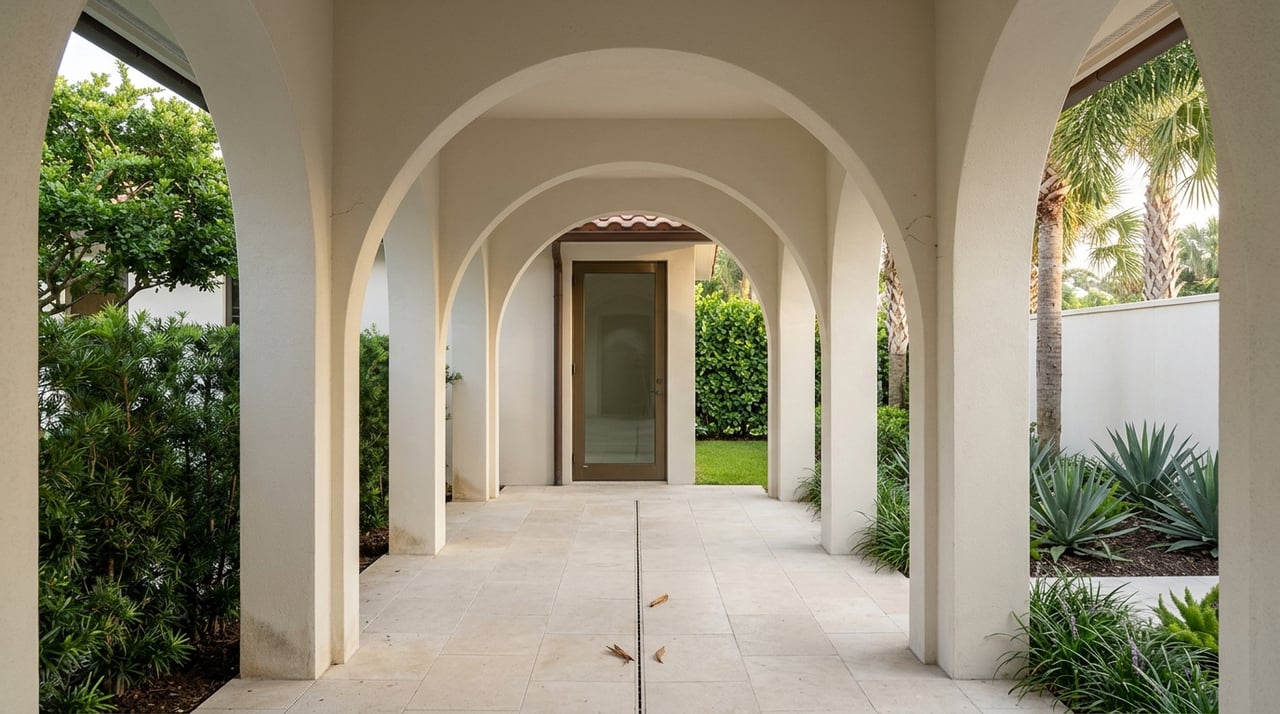
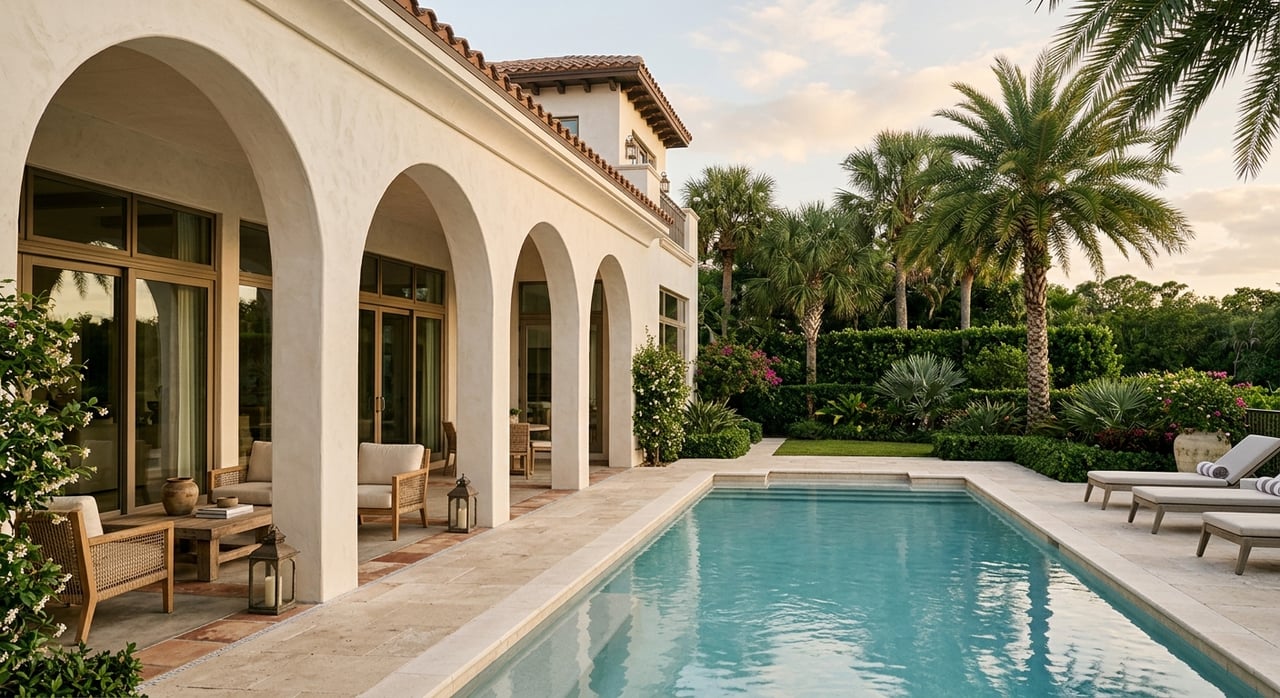
These are among Winter Park’s signature high-style forms. The city survey describes stucco walls, shallow-pitched barrel-tile roofs, towers or campaniles, arched openings, iron balconies, and decorative tile as common features.
You will see this style especially in larger lakefront villas and in the Virginia Drive and Ellno-Willo area. If you picture Winter Park as elegant, sun-washed, and resort-like, this is likely the architecture behind that impression.
Colonial Revival is another major part of Winter Park’s design identity. According to the city survey, common traits include a symmetrical facade, central entry, and a prominent portico.
In Winter Park, this style appears in Golfview Terrace, north Interlachen, Virginia Heights, and in individual homes ranging from modest Cape Cod forms to full-scale mansions. It often appeals to buyers who want a classic, orderly look that feels formal without being flashy.
These styles are especially common in the College Quarter area and also appear in Golfview Terrace and parts of Virginia Heights. The city survey notes that Bungalow forms lost popularity after 1930, so later examples tend to be simpler.
For buyers, these homes can offer warmth and personality. They often feel more intimate than large estate properties, which can be a plus if you want historic character in a more approachable scale.
These styles are more scattered than dominant, but they still matter. Virginia Heights East includes Tudor Revival and Minimal Traditional examples, while downtown Park Avenue includes Art Deco and Art Moderne buildings such as the former Colony Theatre and the Parkaire Apartment.
The city survey also notes that mid-century modern is more common in apartments, government buildings, and professional offices than on core residential streets. That means you may find modern influence in Winter Park, but it is not usually the defining look in the city’s best-known luxury residential pockets.
If you are buying in a designated historic district, exterior changes are not just a design choice. Winter Park’s preservation guidance says new construction can occur in a historic district and does not have to copy historic architecture exactly, but it should complement the district’s height, materials, roof form, massing, setbacks, and rhythm of openings.
For you, that means renovation and building plans may come with an added layer of review. This is not necessarily a drawback, but it is an important part of the decision, especially if you want to significantly alter the exterior of a home.
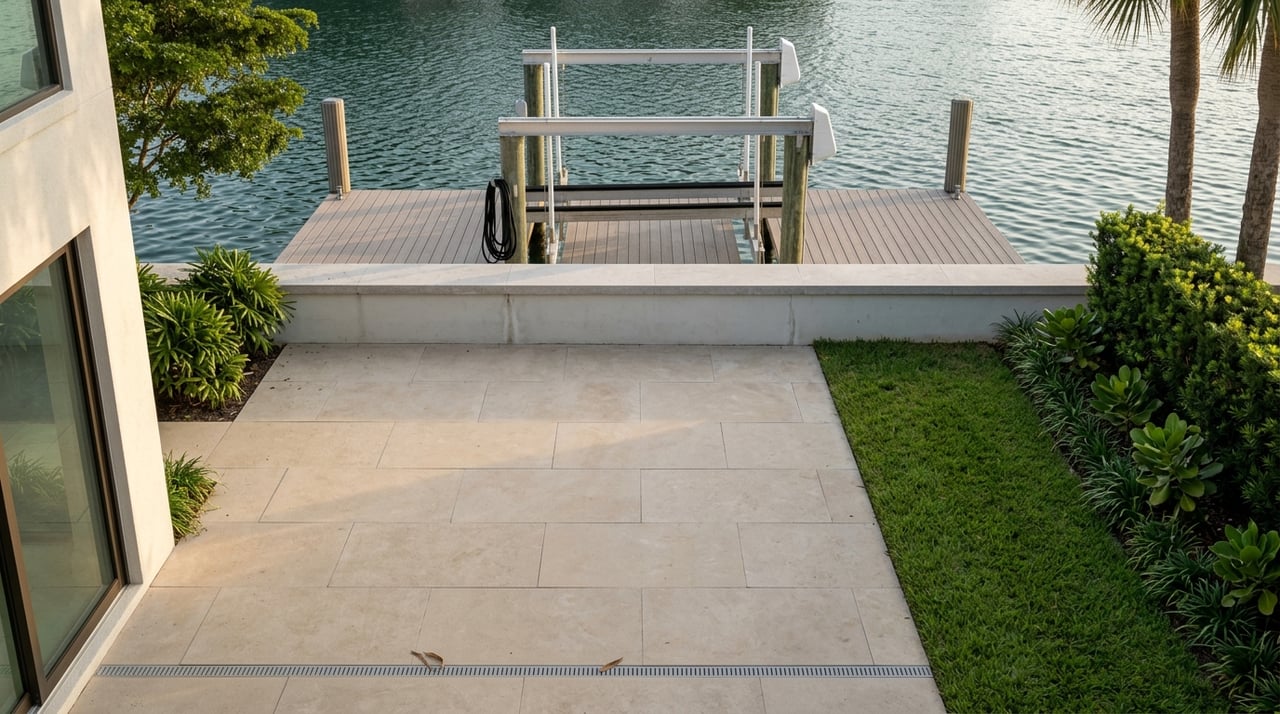
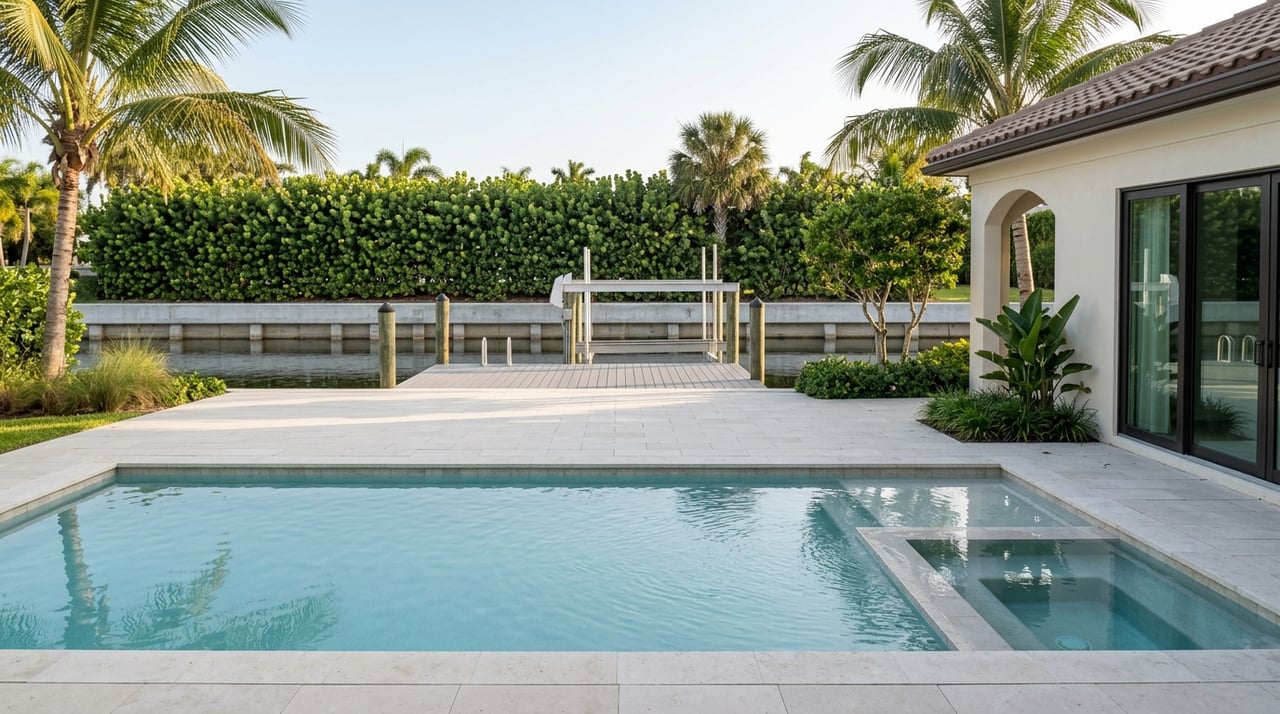
The lakes are a major part of Winter Park’s appeal, but they also come with practical limits. The city describes the chain of lakes as a popular boating and skiing destination, yet motorboats require a city boat sticker or day pass.
The city also states that boats launched on the chain must be under 24 feet, canals cannot receive boats over 8 feet wide, and canoes, kayaks, and paddleboards can launch without charge. If lake access is a priority for you, these details matter as much as the view.
For many buyers, luxury in Winter Park is not only about the home. It is also about how quickly you can enjoy the city’s cultural core. The city describes Park Avenue as the epicenter of Winter Park’s culture and economic vitality, with Central Park in the downtown shopping district and a concentration of restaurants, shopping, museums, the Winter Park Farmers' Market, the Scenic Boat Tour, and Rollins College venues nearby.
That makes location strategy important. Some buyers want quiet lakefront privacy first. Others want easier access to the energy and convenience of Park Avenue.
If you are deciding between Winter Park luxury neighborhoods, it helps to focus on the lifestyle you want most. Start by identifying whether architecture, water access, walkability to the Park Avenue core, or flexibility for future updates is your top priority.
A simple way to think about it is this:
The right fit usually comes down to how you want to live in the home, not just how the home looks in photos.
Winter Park rewards buyers who pay attention to context. When you understand how neighborhood character, architecture, lake access, and preservation rules work together, you can make a smarter and more confident luxury purchase.
If you are exploring Winter Park or comparing it with other Central Florida luxury markets, working with a trusted advisor can make the process far more efficient. For tailored guidance on luxury homes, neighborhood strategy, and high-touch representation, connect with Crystal Canina.
With over 20 years of knowledge, and $150 Million in real estate sold representing hundreds of transaction sides you can count on Crystal's experience. It is our goal as your full-service real estate consultants specializing in the Central Florida area, to provide you with superior service at all times.