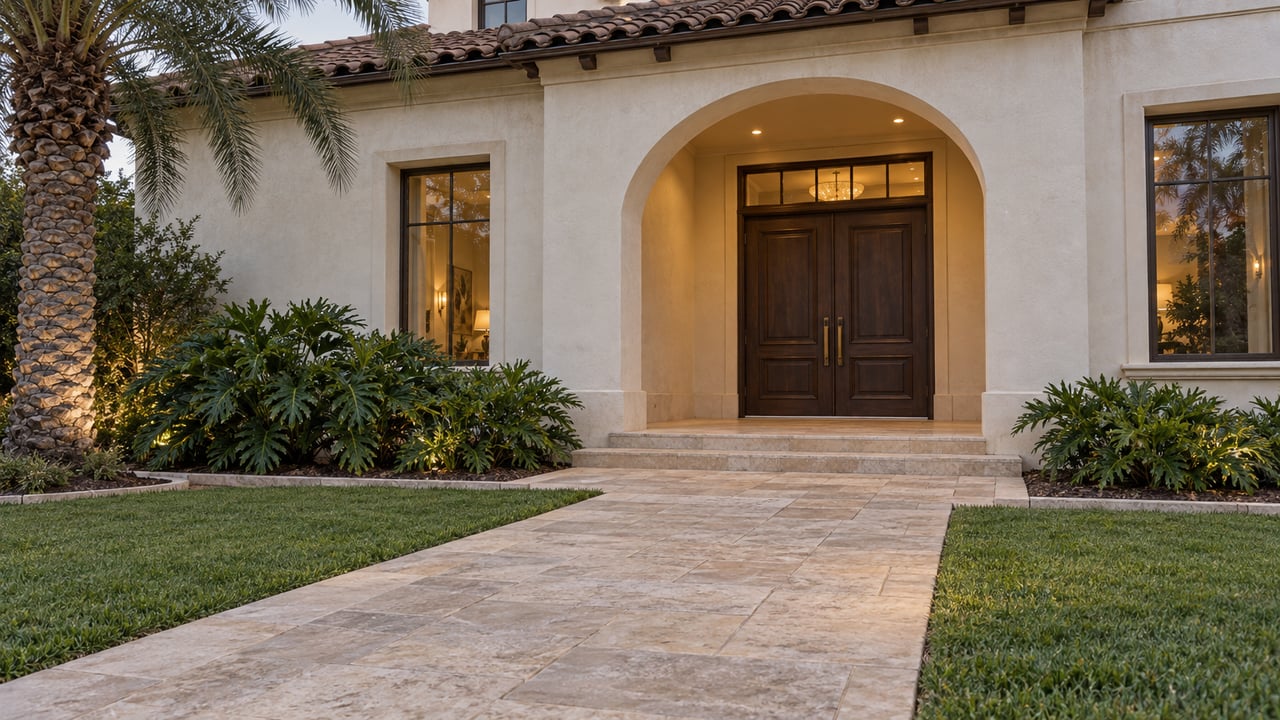
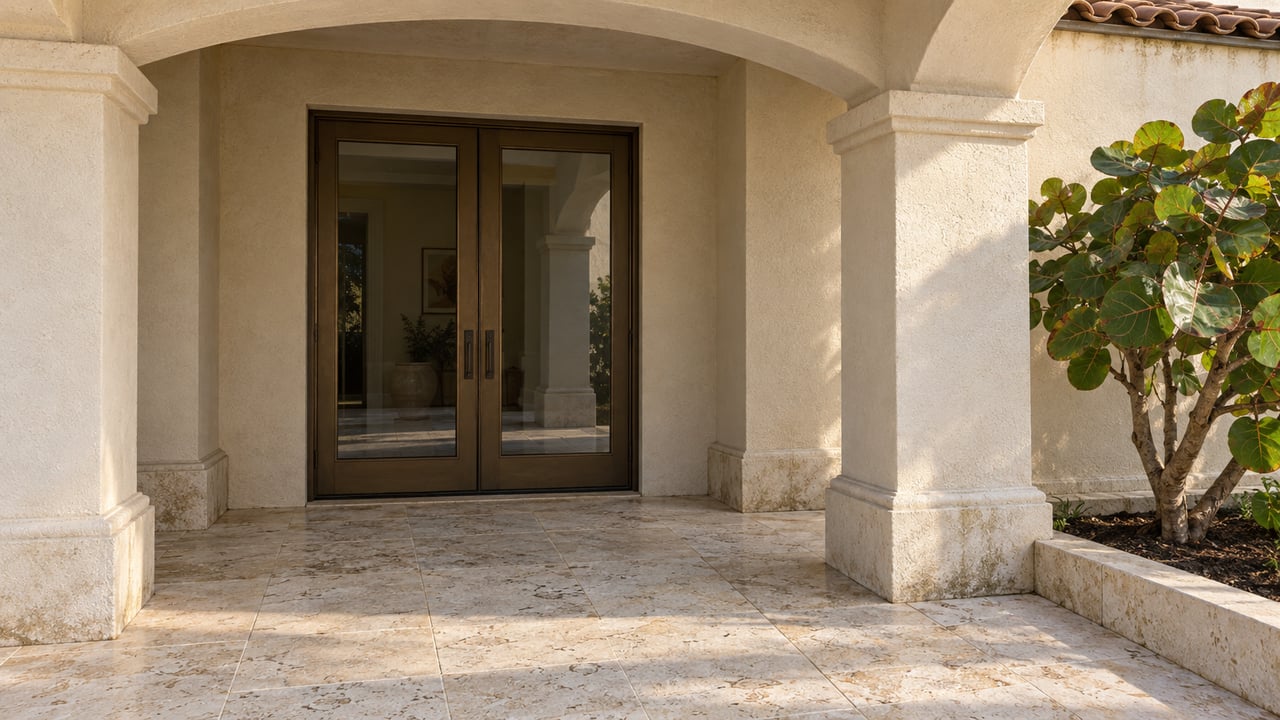
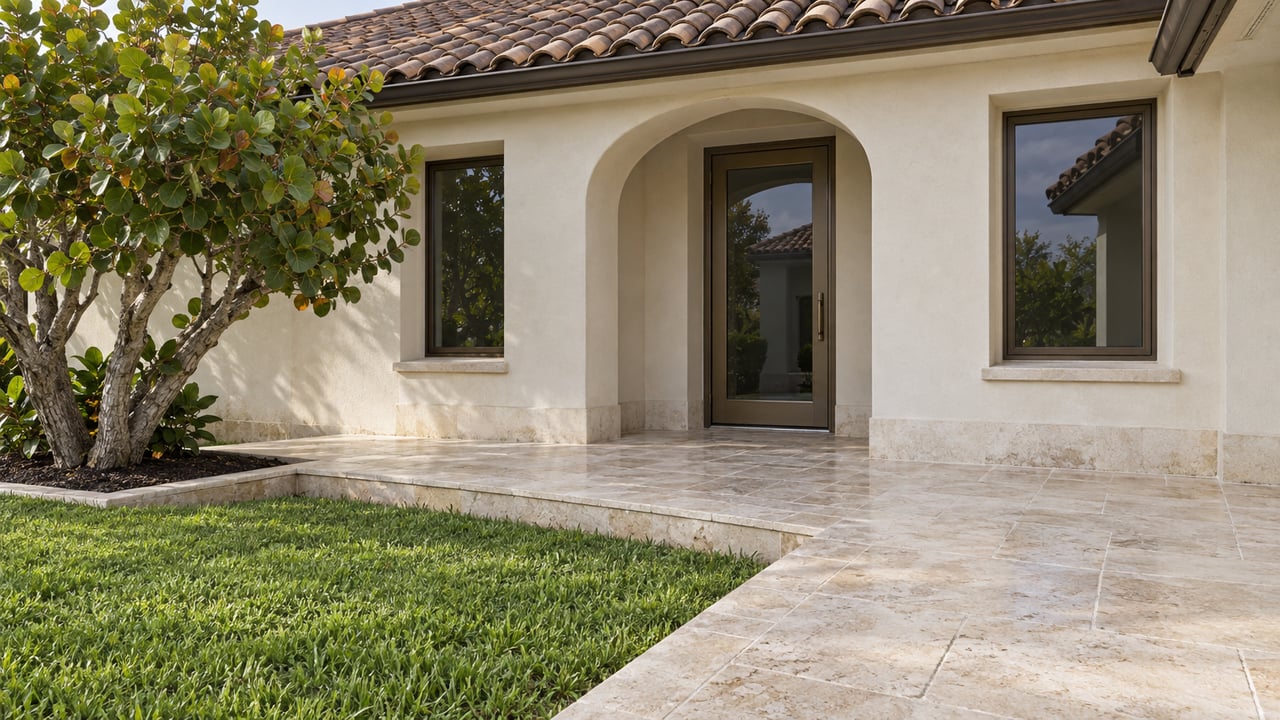
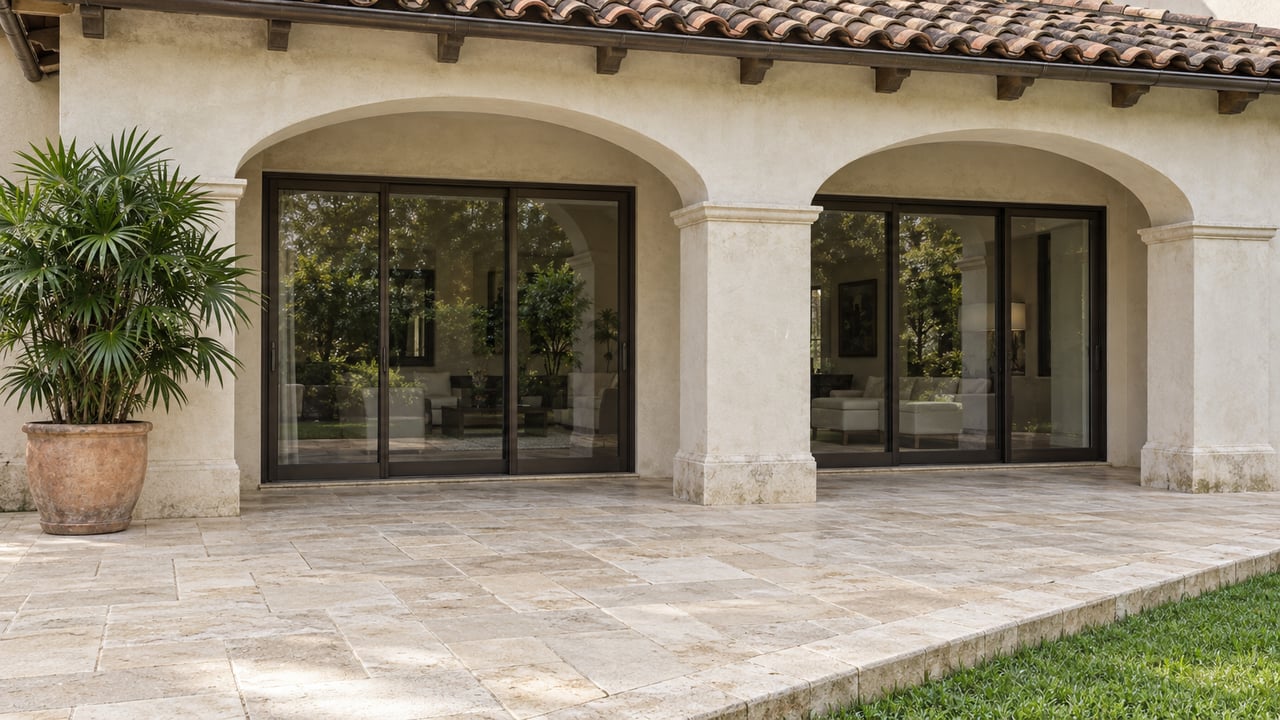
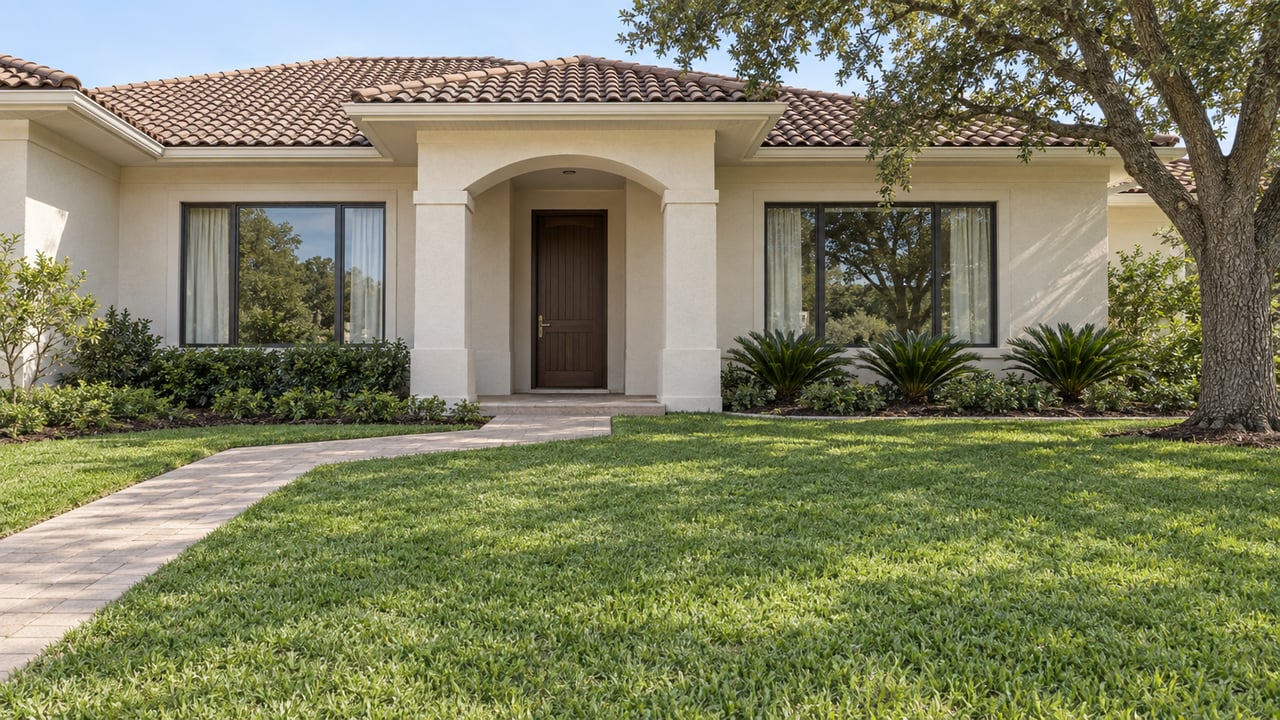
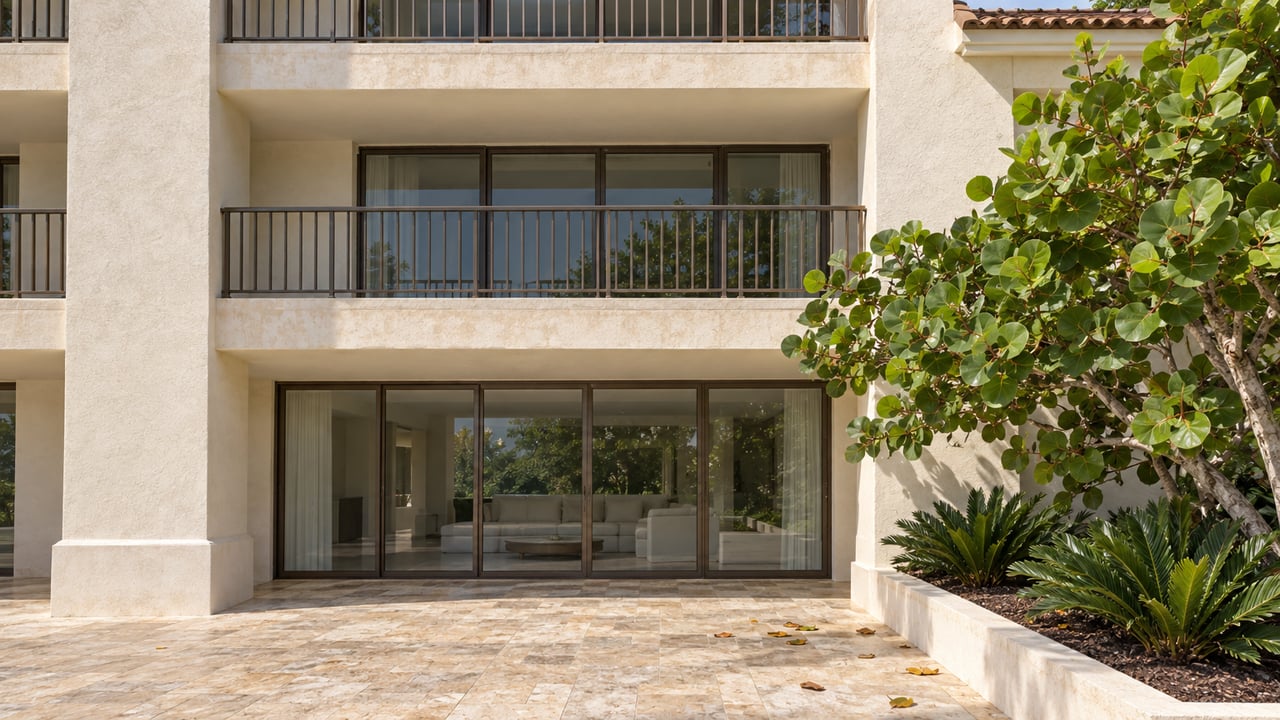
Think a “turnkey” Indialantic home means you can drop your bags and head straight to the beach? On the barrier island, that promise has extra layers because salt air, wind, and flood risk all affect what move-in ready really looks like. Whether you are buying or selling, you deserve clear standards and a simple checklist. In this guide, you will learn what “turnkey” typically includes here, how coastal features change expectations, the inspections and documents to verify claims, and the steps sellers can take to deliver confidence. Let’s dive in.
What “turnkey” means in Indialantic
“Turnkey” is a marketing term, not a legal standard. In general, it implies a home is move-in ready with no immediate repairs needed. Buyers usually expect working major systems, clean cosmetic condition, updated kitchens and baths by local norms, and included, operable appliances. The goal is that you can live in the home right away without urgent fixes.
There are limits to the promise. “Turnkey” does not automatically guarantee permitted renovations, structural guarantees beyond inspection results, or long-term warranties unless stated in writing. Treat the term as a claim to verify through inspections, documentation, and clear contract language. The more specific the proof, the better the outcome for both sides.
Coastal features buyers expect
Indialantic’s location on a narrow barrier island introduces unique needs. A true “turnkey” here often includes features that address wind, water, and salt air.
Storm resilience
- Impact-rated windows and doors or professionally installed hurricane shutters.
- Roof-to-wall connections that meet local wind requirements, often documented via a wind-mitigation report.
- Smart placement of mechanicals and electrical components to reduce flood risk.
Flood and elevation documentation
- Flood zone designation and, when available, an Elevation Certificate to help evaluate flood insurance costs.
- Clear disclosure of any prior flood damage and permitted repairs.
Exterior materials for salt air
- Corrosion-resistant fixtures and marine-grade or composite materials for decking and fasteners.
- Fresh, high-performance exterior coatings and documented maintenance on seawalls, bulkheads, or dunes when relevant.
Mechanical systems and records
- HVAC with recent service records since salt exposure accelerates wear.
- Water heater, plumbing, and electrical systems in good, code-compliant condition with documentation for recent replacements.
Furnishings and rental readiness
- If marketed as vacation rental ready, an inventory of included furniture, appliances, and electronics.
- Photos or staging inventory that match what will convey at closing.
Local regulations and rules
- Clear explanation of short-term rental rules and any HOA restrictions if the property is presented as rental ready.
- Transparency around registration or compliance requirements where applicable.
Buyer due diligence checklist
Treat “turnkey” as a starting point. Your verification protects your investment and helps keep insurance costs predictable.
Inspections to order
- General home inspection for overall condition.
- Wind-mitigation inspection to document wind-resistant features that can reduce insurance premiums.
- Four-point inspection for older homes covering roof, electrical, HVAC, and plumbing.
- WDO/termite inspection due to coastal termite risk.
- Flood and elevation documentation review, including an Elevation Certificate if available.
- Seawall or bulkhead inspection when waterfront applies.
- Pool inspection for safety features and permitted modifications if a pool is present.
Records to request
- Seller’s disclosure and any supplements addressing storm or flood history, repairs, and permits.
- Permits and final inspections for major work such as roof, additions, and major electrical or plumbing.
- Warranties that transfer, plus service records for roof, HVAC, water heater, and pool.
- Receipts for recent replacements or upgrades.
- HOA or condo documents, including rules about rentals and any known special assessments.
- Insurance history and current flood or association-related insurance requirements.
- Short-term rental registration or permits and recent rental performance if sold as rental ready.
Contract protections to include
- A detailed inclusion and exclusion list for furnishings and appliances.
- Inspection contingencies with the right to renegotiate or cancel for significant findings.
- Seller representations and warranties tied to system ages, permitted work, and included upgrades.
Seller steps to market as turnkey
If you plan to describe your home as “turnkey,” prepare to prove it. Buyers in Indialantic expect clarity around coastal condition, maintenance, and compliance.
Pre-listing preparation
- Complete and document needed repairs, securing permits where required.
- Consider a pre-listing inspection and share the report to build trust.
- Gather records for major replacements such as roof, impact windows, HVAC, and electrical updates.
- Create a furnishings and appliance inclusion inventory and label items that convey.
- Refresh exterior elements to handle salt air and document maintenance on decks or seawalls.
- If selling furnished, stage professionally and ensure photos match what is included.
Marketing and documentation packet
- Copies of permits and final approvals for significant work.
- Maintenance logs and service records for key systems and pool.
- Warranties and transferable service contracts.
- Elevation Certificate and flood zone information if available.
- Insurance claim history to demonstrate transparency.
- HOA or condo documents and rental rules if promoting rental readiness.
Disclosure and language tips
- Use precise language and back claims with documents. Avoid implying unverified permit compliance or problem-free history.
- Disclose known storm or flood damage and present permits and invoices for repairs.
- Specify in the contract which furnishings and staging items transfer.
Pricing, insurance, and rental impacts
Truly “turnkey” homes often sell faster and can command a premium compared with similar homes that need immediate work. In Indialantic, features like impact glass, wind-mitigating roof attachments, updated interiors, and clear rental readiness can strengthen buyer demand. The actual premium depends on current local comps and buyer pools.
Insurance and long-term costs also factor into value. Flood insurance may be required in certain zones, and premiums are influenced by elevation and mitigation features. Wind-mitigation elements like impact windows and roof strapping can reduce wind insurance costs. Even with strong condition, budget for coastal maintenance such as corrosion control and more frequent exterior painting.
If you plan to operate a short-term rental, verify local and HOA rules before you rely on projected income. A property marketed as rental ready should come with the relevant registrations or a clear explanation of what is required to comply.
The bottom line
In Indialantic, “turnkey” is most credible when it comes with proof: inspections, permits, service records, and clear inclusion lists. As a buyer, lean on due diligence to validate claims and protect your insurance outlook. As a seller, document upgrades and coastal maintenance so you can market confidently and justify your price.
Ready to evaluate or prepare a turnkey property on the Space Coast? Let’s have a conversation about your goals, the right checklist, and the smartest path to value. Connect with Crystal Canina for a complimentary consultation.
FAQs
What does “turnkey” include for Indialantic homes?
- It usually means move-in ready systems and finishes plus coastal-minded features like impact protection and maintenance records, but you still need inspections and documentation.
Which inspections verify a coastal turnkey claim?
- A general home inspection, wind-mitigation and four-point reports, WDO check, flood and elevation documentation, and seawall or pool inspections when applicable.
How do wind-mitigation features affect Florida insurance?
- Features such as impact windows, roof-to-wall connections, and approved shutters can help reduce wind premiums when documented by a wind-mitigation inspection.
What documents should sellers provide for a turnkey listing?
- Permits and final approvals for major work, maintenance and service records, warranties, an inclusion list, Elevation Certificate if available, and HOA or rental rules.
What should buyers confirm about short-term rentals in Indialantic?
- Verify local and HOA rules, any required registrations or taxes, and ask for rental history if the property is marketed as rental ready so you understand use and compliance.