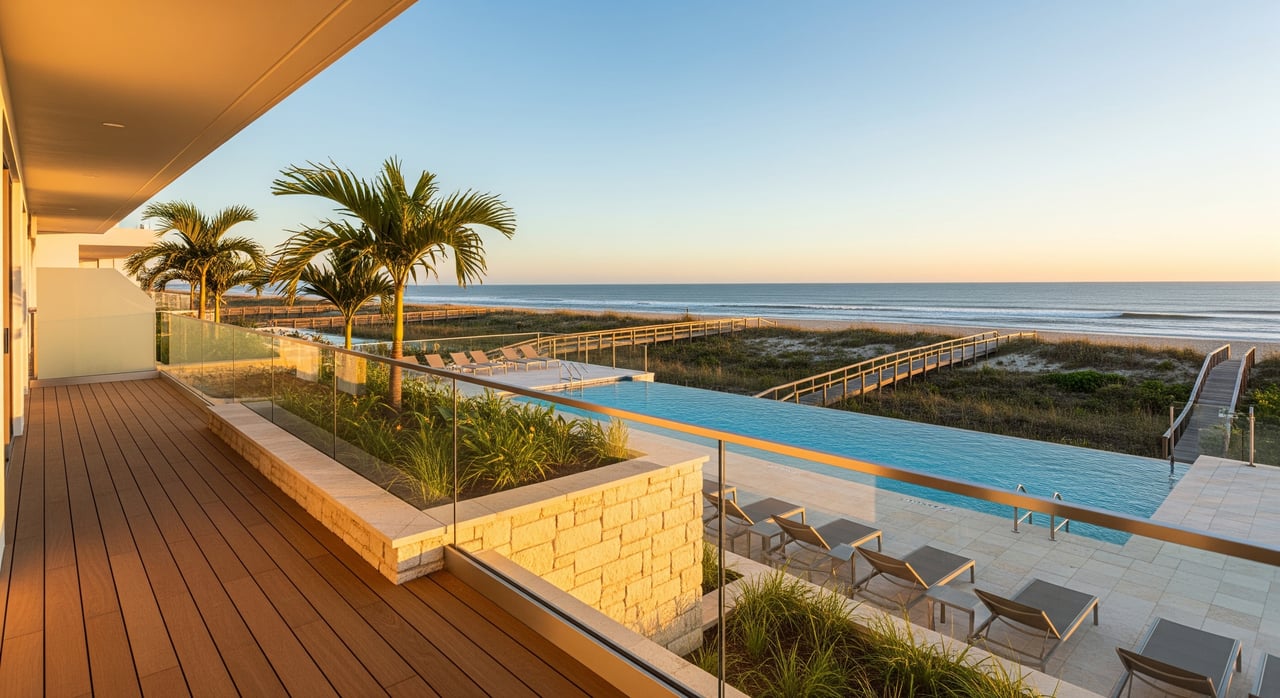
What Satellite Beach Condo HOA Fees Cover
January 15, 2026
January 15, 2026
Ever notice that one Satellite Beach condo has modest HOA dues while another jumps hundreds of dollars higher each month? When you buy near the ocean, what those fees cover can vary a lot. You want a clear picture before you make an offer. In this guide, you’ll learn what condo HOA fees typically include, how coastal factors in Brevard County influence costs, which documents to review, red flags to watch for, and how to build a realistic monthly budget. Let’s dive in.
Condominium HOA fees are pooled assessments that fund shared building costs. Coverage is defined in each condo’s declaration and annual budget, but most associations use similar categories.
Fees often cover exterior and common-area upkeep such as building envelope work, roofs, exterior paint, siding, balconies and railings, and common windows or doors if defined as common elements. Grounds and landscaping, irrigation, and any maintained beach-access areas are usually included. Mechanical systems like elevators, central HVAC or chillers, pumps, and pool equipment typically fall under this category.
Some utilities are building-wide and paid by the association. This can include common-area electricity, water and sewer for common systems and sometimes for individual units, trash and recycling if contracted, and bulk cable or internet when offered as an amenity. Always verify what is included in the current budget.
Most associations carry master property insurance for the structure and common elements, plus general liability for shared areas. In coastal Florida, flood insurance and windstorm coverage are especially important. You will still need an individual condo policy, often called an HO-6, to cover interior finishes, personal property, loss assessment coverage, and any portion of the association’s deductible that may be assessed to owners.
Healthy associations budget reserves for major replacements like roofs, elevators, exterior painting, paving, pools, and HVAC systems. A reserve study estimates each component’s remaining life and replacement cost and recommends yearly contributions. Some buildings also budget for capital improvements or fund big projects with special assessments.
Expect line items for management fees or an on-site manager, accounting and tax filings, audits or financial reviews, legal services, and office costs such as printing and postage. These items help the association run smoothly and stay compliant.
Pools, fitness rooms, clubhouses, community spaces, concierge or security, elevators, and covered parking areas require ongoing maintenance. Staffed services typically increase operating costs compared to unstaffed amenities.
Associations may pay property taxes on common elements they own. They also budget for permits, required inspections, and compliance items such as elevator inspections and storm-related protections.
Many budgets include a contingency to absorb unexpected repairs or cash-flow gaps. A bad-debt allowance helps offset delinquent owner accounts.
The declaration defines each unit’s share, often by percentage interest or unit factor. It also outlines which items are owner responsibilities versus common elements. Read this document closely so you know where your obligations begin and end.
Satellite Beach sits on Florida’s Atlantic barrier island, so the ocean shapes both building needs and HOA costs.
Coastal exposure increases the need for strong windstorm and flood coverage at the association level. Storms can raise the frequency of exterior maintenance and roof work and may lead to emergency repairs or special assessments after major events.
Florida has seen higher master-policy premiums and larger deductibles for many associations. Some buildings carry separate wind or flood policies. As an owner, you will likely need an HO-6 policy and may also need personal flood insurance depending on lender and unit location.
Salt accelerates corrosion on metal, railings, balcony components, window seals, and HVAC equipment. Paint and sealant cycles can shorten near the beach. This can raise reserve needs and the maintenance portion of your dues compared with inland condos.
Florida condominium law sets budget, records, and disclosure rules. Local permitting and inspection requirements can add costs, especially for older buildings that need upgrades. These items often appear in minutes, budgets, or reserve studies as planned projects.
Older concrete or wood structures can face concrete restoration, stucco repair, and similar projects. Check for recent or upcoming big-ticket work like roof replacement or exterior restoration.
A higher share of rentals can affect wear and tear, insurance risk, and policy choices. Ask about any rental restrictions and how those rules shape the association’s financial stability.
A thorough document review is your best tool for understanding what the fees cover and how stable they are.
Compare total dues to operating expenses and look for balance without tapping reserves for day-to-day costs. Review major line items like insurance, utilities, and management to see if they have jumped year over year. Confirm the annual reserve contribution and whether it aligns with the reserve study. Check cash balances on the balance sheet for both operating and reserve accounts.
Identify the major components, their estimated remaining life, and their replacement cost. See if the association is following the recommended funding plan or deferring items. If the study is older than 3–5 years, ask whether an update is underway.
Board minutes reveal planned projects, potential fee increases, vendor changes, and owner concerns. Repeated mentions of deferred maintenance, emergency repairs, insurance challenges, or special assessments are important clues.
Confirm what the master policy covers and the size of deductibles, especially for wind or hurricane events. Note whether building-level flood coverage exists. Ask for a claims history so you can gauge the potential for premium increases or deductible assessments to owners.
A high delinquency rate can strain cash flow and lead to fee increases or deferred maintenance. Review the collection policy and any foreclosure activity.
Look for visible signs of deferred maintenance such as rust, spalling concrete, cracked or peeling paint, balcony issues, roof wear, drainage problems, or leaking. Match what you see to what appears in minutes and budgets.
A smart budget looks beyond the HOA fee itself. Use this checklist to estimate your true monthly cost of ownership.
Review the last several years of assessments and the reserve study’s near-term projects. If big projects are due soon and reserves are thin, risk is higher. Many coastal buyers keep a contingency equal to several months of HOA fees and also set aside an additional amount each month to prepare for possible assessments.
Understanding what Satellite Beach condo HOA fees cover starts with the budget, reserve study, and insurance declarations. Coastal conditions and Florida’s insurance environment can affect both coverage and costs, so take time to review documents and walk the property with a critical eye.
If you want a clear, side-by-side view of what different buildings include and how stable their finances appear, we can help you request and interpret the right records. For concierge guidance on Space Coast condos and a tailored budgeting plan, connect with Crystal Canina to Schedule a Complimentary Luxury Consultation.


With over 20 years of knowledge, and $150 Million in real estate sold representing hundreds of transaction sides you can count on Crystal's experience. It is our goal as your full-service real estate consultants specializing in the Central Florida area, to provide you with superior service at all times.