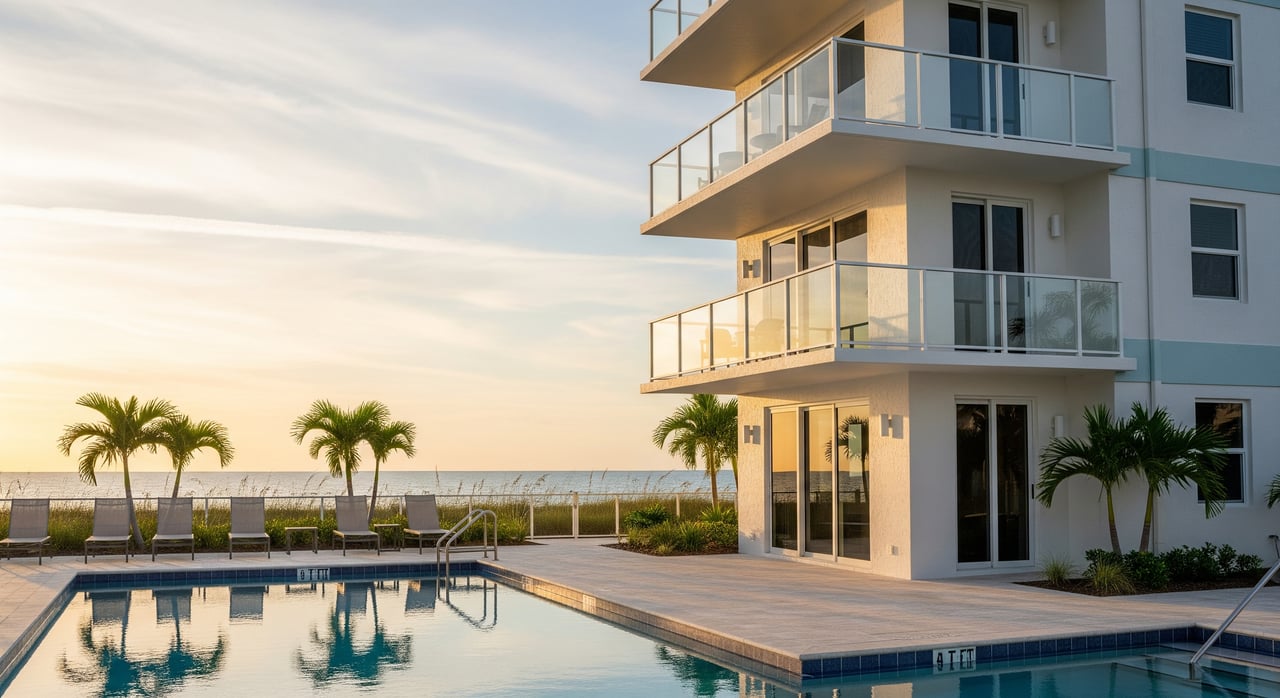
Florida Condo Reserves and Inspections in Satellite Beach
December 18, 2025
December 18, 2025
Shopping for a beachside condo in Satellite Beach? Beyond ocean views and amenities, the real story is in a building’s health and reserves. That is what drives monthly fees, the chance of special assessments, and even your loan options. In this guide, you’ll learn how Florida milestone inspections and Structural Integrity Reserve Studies work, which documents to request, and how to read them so you can buy with confidence. Let’s dive in.
After the Surfside tragedy, Florida increased attention on structural safety for multi‑family buildings and empowered local governments to set inspection schedules. In Brevard County and the City of Satellite Beach, local rules and timing can differ from state guidance, so you should confirm what applies to your specific building. Coastal properties face more corrosion and water intrusion due to salt, wind, and moisture, which often means more frequent repairs and stronger reserve needs than inland buildings. Flood zones and the insurance environment also affect costs and lender requirements, so factor those into your total ownership picture.
A milestone inspection is a formal structural evaluation by a licensed professional, often a structural engineer. The goal is to assess foundations, load‑bearing elements, concrete condition, balconies, roof, waterproofing, and anything that could affect structural stability. Findings typically include photos, mapped defects, and a prioritized repair list with timing.
A Structural Integrity Reserve Study pairs a condition‑focused structural review with long‑term financial planning. You get remaining useful life estimates for major components, repair scopes, cost ranges, and a funding plan that ties engineering findings to reserves. This goes beyond a standard reserve study by emphasizing structural elements and any invasive testing needed.
A standard reserve study estimates remaining life and replacement costs for common components like roofs, elevators, paving, pools, painting, and balconies. It models a funding plan so the association can plan annual reserve contributions and avoid large surprise assessments. For coastal condos, it should align with engineering input for structural items.
Coastal inspections often start with a visual survey and non‑destructive testing, then move to invasive testing if needed. Engineers look for cracking, spalls, rust staining, deflection, failed joints, and signs of water intrusion. Common coastal issues include:
A strong report delivers an executive summary, mapped defects, priority ranking, repair scopes, cost ranges, timelines, and recommended follow‑up testing. When integrated with a reserve study, it should show how much cash is needed and when, plus suggested annual contributions.
Before you waive inspections or contingencies, ask the seller and association for digital copies of these items and confirm permit and inspection records with the City of Satellite Beach or Brevard County:
Association governance and financials
Inspection, engineering, and maintenance records
Operational records
Property‑specific records
These documents reveal building condition, funding strength, planned projects, and how proactive the board and management have been.
Start by checking whether cost estimates are current and reflect coastal pricing. Confirm how remaining useful life was determined and whether engineers contributed to structural items. Pay attention to the funding approach and key metrics:
Best practice is a full reserve study every 3 to 5 years, with annual financial updates. Structural components should follow the inspection cadence recommended in the SIRS.
Monthly condo fees cover operating expenses and often include reserve contributions. If reserves are insufficient, the board may raise regular assessments or levy a special assessment to fund large repairs identified by inspections or a SIRS. Special assessments can be substantial and due at once or in installments, which affects affordability and loan eligibility.
Lenders review the association’s financial health and known building issues. A building with structural deficiencies, large pending repairs, or significant assessments can face tighter underwriting or reduced loan options. Insurance terms also matter. Flood zone status and coastal risk can increase premiums and deductibles, and repeated claims can affect coverage availability.
When inspections reveal major work, resale values can be pressured until repairs are funded or completed. Solid reserves and a clear plan can help support values and lender confidence.
If any of these appear, make your offer contingent on engineering review and funding clarity, seek credits, or consider walking away based on severity.
Satellite Beach’s oceanfront setting increases exposure to salt, wind, and moisture. That means balcony connections, concrete elements, and waterproofing deserve special attention. Confirm flood zone status and any elevation certificate, and review building permit history with the City of Satellite Beach or Brevard County to see how past repairs were handled. Ask whether the association follows a set inspection cadence and whether recent reports recommend invasive testing.
When you understand milestone inspections, SIRS, and reserves, you can compare buildings on more than just appearance and amenities. The right documents reveal structural health, funding strength, and likely costs over the next few years. If you want a second set of eyes on a building’s records or a strategy tailored to your goals, reach out to Crystal Canina for local guidance.

With over 20 years of knowledge, and $150 Million in real estate sold representing hundreds of transaction sides you can count on Crystal's experience. It is our goal as your full-service real estate consultants specializing in the Central Florida area, to provide you with superior service at all times.